

IRS LLC Filing Know the IRS filing went out
You saved the PDF and the IRS has not written back, so we look at the LLC filing you have, say whether a date came back, keep the monthly close, and have Steven Palmieri, a Tax CFO, prepare the return that matches the company.
Steven Palmieri, Tax CFO.

Your LLC filing and the books
You will be talking to the Steven Palmieri practice.
The Tax CFO matches the return to the filing.
A preparer can transmit a form and stop. We stay until the IRS sends a date back, then we set that date next to the books the month already closed. When the election on the company and the return in the software disagree, that disagreement is the next conversation, and it has to happen while the year can still change. The date that came back is the floor under the return.
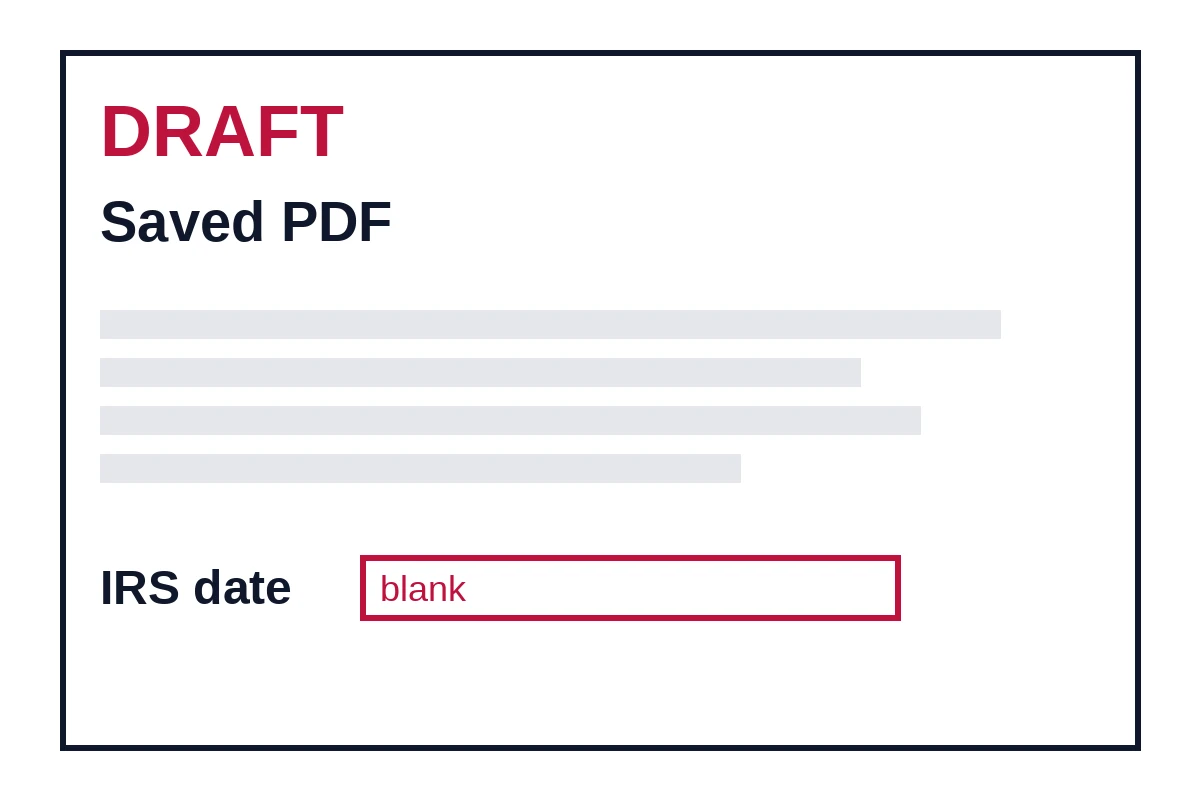
A saved PDF still needs the IRS date
The filing is finished when that date comes back.
Click to see the filing ›Tap to see the filing ›An extension buys time
The return still has to leave.
Click to sort the dates ›Tap to sort the dates ›
Who reads the filing
This practice, every time. Nobody else sees the file.
Click to meet Steven ›Tap to meet Steven ›A filing with no date
The record we want is an acceptance with a date.
Click to see the gap ›Tap to see the gap ›The election picks the return
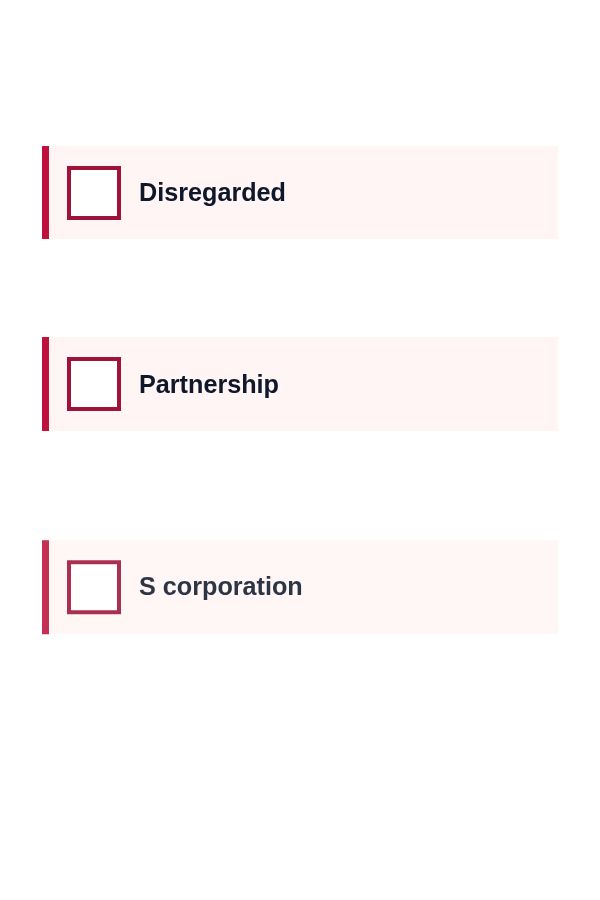
A disregarded company, a partnership and an S corporation file three different ways. The election decides which.
Click to name the return ›Tap to name the return ›Book a call
Bring the IRS filing you have.
Click to book the call ›Tap to book the call ›Four moments before a date
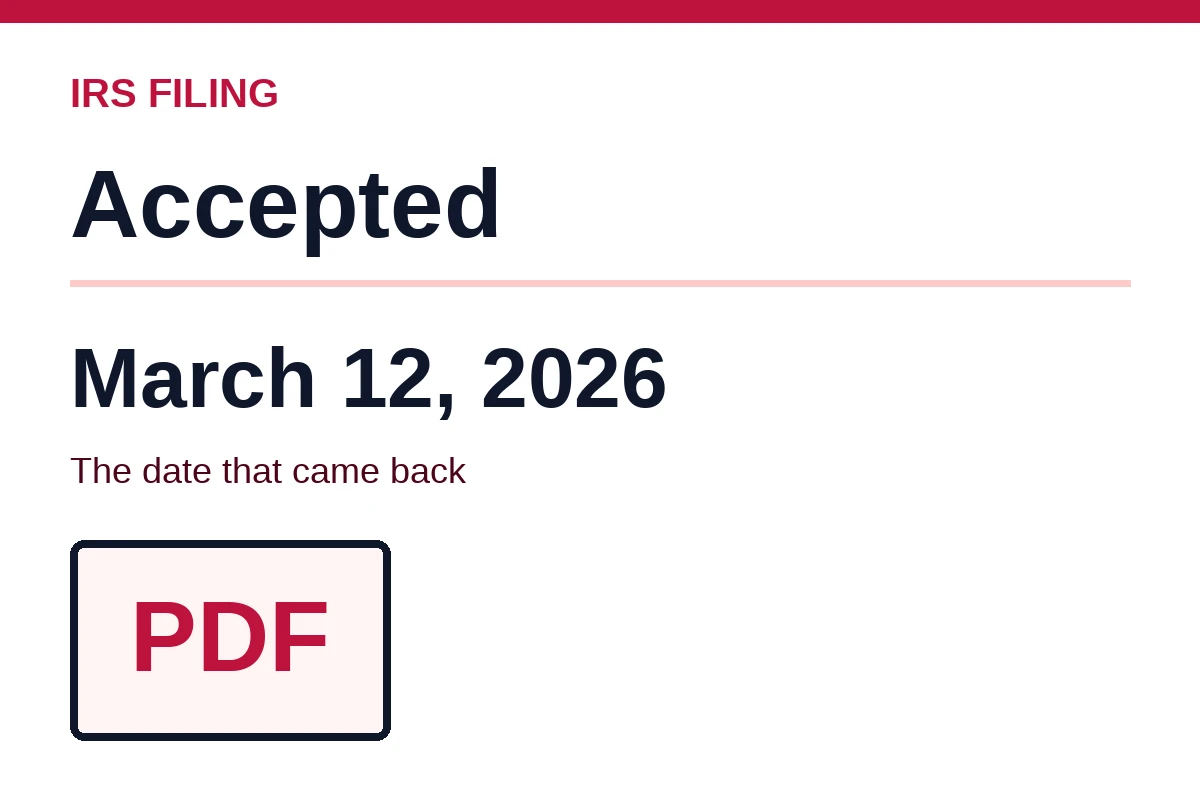
The four moments
The folder with no date. The PDF on the laptop. The postal mail slip. The day the acceptance letter arrives. We keep those four moments in one folder so the date is the page you can point to.
You may be holding a saved PDF, an extension page, or no letter from the IRS at all. A filing counts when a date comes back, and we find out whether yours did. Steven Palmieri keeps the monthly close, sets payroll up on a provider you run, and prepares the return that matches the company you actually have. Bringing the IRS filing you have is enough. A missing date is a normal place to start.
Six dates an LLC year keeps
Open a month. Each one names the IRS filing that should already carry a date.
1January
Last year's date should already be in the folder before anyone talks about estimates.
We look for that date with you. If it is missing, the estimate conversation waits.
2March
The return window is open, and the form follows the election rather than the nickname on the bank account.
We match the return to the acceptance, then prepare it from a month that has already closed.
3April
An extension, if one was sent, proves more time. It does not prove the return left.
We keep those two dates in two places so a year is not called finished on the wrong paper.
4May
A state entity report, where the state has one, keeps its own due date and its own confirmation page.
We put that state date on the same calendar as the federal one, and we do not let one confirmation fill in for the other.
5July
The months before this one should already be closing on a named day.
We read a closed July before we talk about wages or the fall.
6October
Choices about wages and the election can still move the year. After December they are only a story.
We use a closed month in October so the later date is boring on purpose.

Steven Palmieri, Tax CFO and the Entrepreneur's CFO, meets the owner by video and reads the page that was downloaded at the table. A month still ends on the day we wrote down before that month began.
What the date looks like
People use the word filing for three different moments. One is the afternoon someone finished a form. One is the moment a button was pressed. One is the later page that comes back with a date on it. Only the third one means the Service has the send.
An EIN confirmation is that page for an identification number. An acceptance is that page for an S election. An e-file acknowledgment is that page for a return. An extension acknowledgment is that page for more time, and it is not the return. Mixing those four is how a year gets called finished while a different form was still owed.
We do not log in as you, and we do not open an account at the Service in your name. You download the page. We read it with you and say whether the date is the one this company needed.
A kitchen table after close is where most of these pages start. The notice, the PDF, and the software screen can sit in one pile. We separate the page that came back from the pages that never left the laptop. That sort is the first useful hour, and it happens before anyone talks about a fee.
Which return the election names
The election on the company today decides the return. A single member who never elected anything usually lives on the owner's return. A partnership files its own return. An S election, once accepted, moves the profit onto a company return and a schedule that lands on the personal return. A C election is a different company return again.
A bank account nickname does not make that choice. A certificate from the state does not make it either. The acceptance, or the absence of one, is the paper that does. If someone says the company is an S and the personal return shows the profit with no company form beside it, the election and the return have parted. That is the conversation we have before a fee is a number.
If the election is real and there are no wages, a deduction that depends on wages can shrink. We will say so in ordinary words. Setting payroll up on a provider you run is as far as that work goes here. We do not press payday.
Why a state report is a different pile
Form 1065 is the partnership return, and a calendar year company owes it on the fifteenth day of the third month after the year ends. Form 1120-S, for an S corporation, follows that same third month day. Form 1120, for a C corporation, follows the fifteenth day of the fourth month, and so does the owner's Form 1040 when a single member company never elected anything. A weekend or a legal holiday pushes that federal day forward until the Service is open.
A confirmation from a state tax agency, where the state asks for its own entity report, does not fill any of those federal dates. A federal acknowledgment does not prepare the state report. The federal date and the state date share a year and still live in separate folders. The choices inside a state report are a different conversation from the return the election named.
What October is for
October leaves the IRS filing where it is and uses a closed set of books to change a decision while the year is still open. Wages for the year, a late election conversation, and an estimate for a state entity report, where the state has one, all get cheaper to discuss before December locks the year.
We finish the month on a day chosen before it starts, then we look forward. The calm people talk about later is a folder that already holds the date, so March is preparation instead of a search.
What we will not call filed
A draft in a folder, a PDF emailed to yourself, and a software screen that says ready are three ways to feel finished. None of them is the date that came back. We would rather show you an empty place than congratulate a draft.
An acknowledgment is also not an opinion on the numbers inside the return. It means the transmission was accepted. It does not mean a firm signed an assurance report. That limit is written once, on the disclosures page, and we repeat the refusal if a lender asks.
The filing the IRS sent back
Name the company and the IRS filing. A missing date is a full answer.
You will be talking to the Steven Palmieri practice.